Body
Nebraskans often talk about how we feed the world. It’s true now more than ever. The crops and livestock we grow and the goods we make reach far-flung places across the globe.
Body
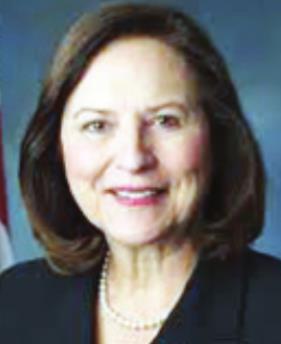
WASHINGTON, D.C. – Today, U.S. Senator Deb Fischer (R-Neb.), a member of the Agriculture Committee, today announced the Cattle Price Discovery and Transparency Act. Sen.
Body
Fall is here. Crisp autumn evenings, the changing of the leaves, and the mad dash to get the crops out of the field. It can’t be said often enough—there is no place like Nebraska.
Body
Spontaneity is the spice of life. A few years ago, on a whim, my wife and I made a decision to purchase season tickets to the Omaha Orpheum Theater. It grants us the opportunity to take in about eight touring Broadway shows a year. It’s been the perfect escape for us.
Body
A woman had been feeling short of breath for several weeks. Physical activities which had previously been easy for her were becoming a chore. In fact, simply laying down resulted in difficulty breathing. She had gained some weight and her legs were swollen.
Body
It would be hard to overstate the relief Americans felt in 1918 when they heard the “war to end all wars” was over. World War I, the deadliest conflict in history to that point, had ended.
Body
Nebraska has come through the pandemic stronger than any other state. We have the third-lowest mortality rate from COVID-19 among states. We have the lowest unemployment rate in the nation at 2.0%, which is tied for the lowest rate any state has ever achieved!
Body
When we think of Henry VIII most of us envision an oversized man with multiple wives, a bitter personality, and a propensity for beheading his enemies. A lesser-known fact is that he suffered with chronic leg sores the last twenty years of his life.