A critical time for Public Health Advocacy

Body
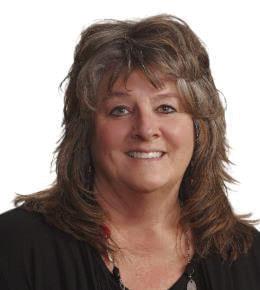
There is a common saying in public health: “Everything is public health.” That is because public health touches nearly every aspect of our daily lives. It is the clean water we drink, the air we breathe, the safety of the food we eat and the environments where we live, work, learn and play. These conditions do not happen by accident; they are shaped by policies, systems and collective investments. Much like public education, public health reflects a shared commitment to creating the conditions where all people have the opportunity to thrive.
BY JENNIFER NOLL FOLLIARD, MPH, RDN

250 years of the American dream

Body
Our country was founded on the belief that all Americans have the right to life, liberty, and the pursuit of happiness. These building blocks make the American Dream possible. We live in a nation of opportunity. A nation that enables kids to have it better than their parents. A nation that believes that hard work leads to success. For the last 250 years, Americans from all backgrounds have achieved their American Dream.
250 years of the American dream

Helping Nebraska’s producers rebuild and recover

Body
After a natural disaster strikes, every day counts. Nebraska’s farmers and ranchers know this well. This spring and summer, Nebraska has been hit by some of the worst wildfires in state history. More than 800,000 acres burned, destroying pastureland, fences, and other farm and ranch infrastructure.
Helping Nebraska’s producers rebuild and recover

Rebuilding the Lincoln Airport’s Runway

Body
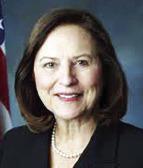
This week, I write to you with some good news for Nebraska’s airports – investments that matter for our economy, our communities, and our national security. Back in April, I told you about $3.15 million in federal funding I helped secure for the Central Nebraska Regional Airport in Grand Island, which will go toward a new Snow Removal Equipment Building.
Rebuilding the Lincoln Airport’s Runway

Dementia and Home Safety: tips for caregivers

Body
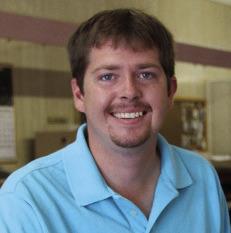
Caregivers of people with dementia are often tasked with keeping their loved ones safe at home. Unpaid family members or friends, referred to as care partners or caregivers, dedicate significant time and resources to assist the person with dementia as their needs intensify.
BY Ranelle Nissen, Ph.D., OTR/L
Subscribe to Columns