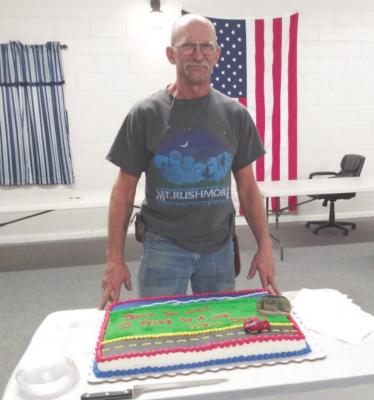
BARTLEY – Jim Foster was honored during the Village of Bartley’s regular board meeting on October 12, 2021, for his 10 th anniversary as Utility Superintendent.
MANHATTAN, KS – October 20, 2021 - The cost of living for an average Kansas State University student increased this year, but by less than the inflation rate affecting the average American.
Since Monday, October 11 was a holiday, the Elwood School Board met on Wednesday, October 13 rather than their regularly scheduled second Monday of the month meeting time.
If you would like to join us please call the Center by 9:30 am. The Center is delighted with folks coming to share in the noon meal. Beginning Oct. 1, 2021 we are offering folks the opportunity to have a carry out meal if they so desire. Please call for reservations by 9:30 a.m
Thursday, October 21: 6:30 p.m.-Football 1st Round Playoffs Hi-Line vs Sutherland @ Eustis. Friday, October 22: 9:30 State Cross Country Send Off; No school at Elwood Public School.
We are excited to announce that we are the owners of a Mark V AccuCut die cut machine!!! If you are a quilter, crafter, scrapbooker or all around creative person, this is for you! We have several dies available for our patron's use. We have small and capital letters, numbers, and shapes.